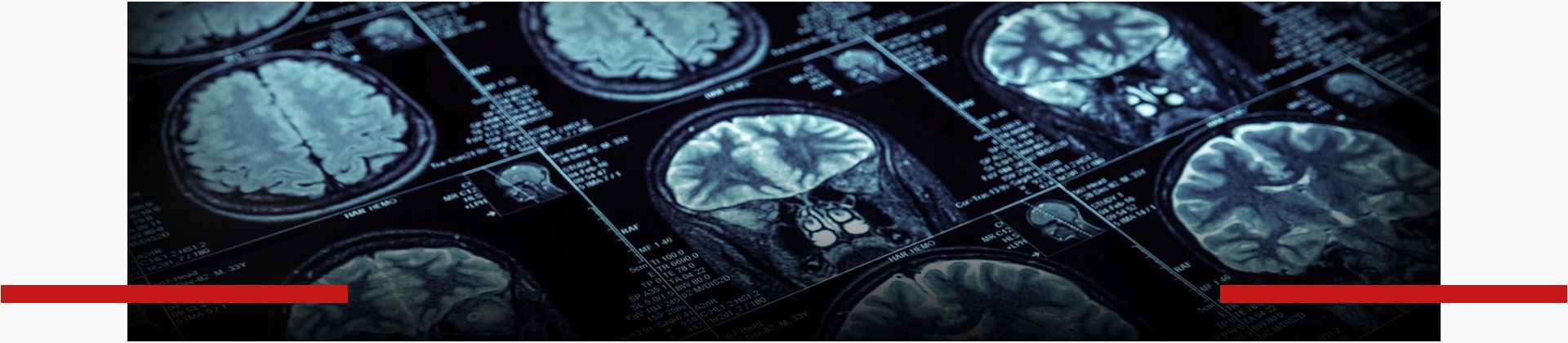
Traumatic brain injuries (TBIs) can result from various circumstances, often due to someone else’s negligence. These injuries frequently have long-lasting effects, including physical, cognitive, and emotional challenges that can dramatically change a person’s life. Identifying the cause of a TBI is crucial in determining liability and seeking compensation. Knowing these causes also aids in prevention and education for the wider community.
Motor Vehicle Accidents
A major cause of TBIs involves motor vehicle collisions. Whether a car crash, truck accident, motorcycle incident, or pedestrian collision, the force of impact can lead to severe brain injuries. Many of these accidents are preventable, often caused by a driver's carelessness or reckless behavior.
Construction & Industrial Accidents
Construction sites and industrial workspaces are inherently dangerous, especially when safety regulations are not followed. Workers may suffer head trauma from falls, being struck by falling objects, or accidents involving heavy machinery. When employers or contractors neglect safety protocols, workers are often left to deal with life-changing injuries.
Sports & Recreation Injuries
Participation in sports and recreational activities also presents a risk for TBIs. High-contact sports like football, boxing, or soccer, as well as activities such as cycling or skiing, can result in head trauma. In some cases, negligent supervision, lack of proper safety equipment, or inadequate medical attention can contribute to the severity of the injury.
Defective Products & Brain Injury Risk
Defective products are another potential cause of TBIs. Whether it’s malfunctioning vehicles, faulty machinery, or unsafe sports gear, when products fail to perform as they should, they can lead to catastrophic injuries. In these cases, the manufacturers, distributors, or retailers may be liable for damages caused by the product failure.
Medical Negligence & Birth Injuries
TBIs can also occur in newborns due to medical malpractice. This can happen when medical professionals fail to properly monitor the mother and baby during labor or use improper techniques during delivery. Brain injuries sustained at birth can lead to lifelong challenges for the child.
The Complexities of Traumatic Brain Injuries
Nearly 1.4 million Americans sustain a traumatic brain injury each year. What many people don't know is that symptoms of a traumatic brain injury may not be evident for weeks or even months following the initial trauma. This delayed onset makes it essential to seek medical advice after any head injury, no matter how minor it may seem.
Traumatic brain injury (TBI) is a form of acquired brain injury that occurs when a sudden trauma causes damage to the brain. TBI can occur when the head violently hits an object. TBI can also occur when an object pierces the skull and enters the brain tissue. Approximately 50% of severely head-injured patients will need surgery to remove or repair hematomas (i.e., ruptured blood vessels) or devitalized brain cortex (damaged brain tissue). TBI often occurs in car crashes, but TBIs also commonly occur in industrial site accidents, construction site accidents, or consumer product failures.
TBI can cause lifelong disabilities. The nature and extent of disability following a traumatic brain injury typically depend upon the severity of the injury, the location of the injury, and the age of the injured person.
Common disabilities after TBI include some or all of the following problems:
- Cognitive Deficits (i.e., problems with thinking, memory, and reasoning);
- Sensory Processing Deficits (i.e., problems with sight, hearing, touch, taste, and smell);
- Communication Deficits (i.e., problems with expression and understanding); and
- Behavior or Mental Health Deficits (i.e., problems with depression, anxiety, personality changes, aggression, acting out, and social inappropriateness).
If you or a loved one has suffered a traumatic brain injury, it is important to find a plaintiff law firm that has experience dealing with brain injury cases. Brain injuries are unique injuries. Similarly, brain injury lawsuits are unique cases. Our experienced team will be able to help you navigate the legal process and increase your chances of obtaining total and fair compensation.
Understanding Secondary Brain Injury
Not all brain damage happens at the moment of impact. In many cases, a "secondary" injury process unfolds in the hours and days that follow, as swelling, reduced blood flow, or increased pressure inside the skull cause additional harm to brain tissue. This is one of the reasons emergency responders and hospitals emphasize rapid evaluation after any significant blow to the head — and why symptoms can worsen even after a patient is initially stabilized.
Understanding this process matters in a legal claim for two reasons. First, it explains why some TBI victims decline in the days after an accident, which can affect both treatment decisions and case value. Second, it underscores why any delay in appropriate medical care — whether from a negligent driver leaving the scene, inadequate safety protocols at a job site, or a missed diagnosis in an emergency room — can carry serious consequences that a knowledgeable attorney will account for when pursuing compensation.
Recovering Compensation After a TBI
If your brain injury was caused by someone else’s negligence, you may be entitled to compensation for your losses. At Cunningham Bounds, our Mobile brain injury lawyer works diligently to pursue the maximum recovery available in your case.
Potential compensation may include:
- Medical expenses: Emergency care, surgeries, hospital stays, and ongoing treatment
- Rehabilitation costs: Physical therapy, occupational therapy, and cognitive therapy
- Lost wages: Income lost due to time away from work
- Loss of earning capacity: If your injury affects your ability to work in the future
- Pain and suffering: Physical pain and emotional distress caused by the injury
- Loss of enjoyment of life: Impact on your ability to participate in activities you once enjoyed
- Long-term care costs: In-home care, assisted living, or specialized medical care
In some cases, punitive damages may also be available if the at-fault party’s conduct was especially reckless or egregious.
How Insurance Companies Challenge Brain Injury Claims
Because brain injuries are often invisible on the outside, insurance companies frequently treat them as easier to dispute than a visible injury like a fracture or amputation. Common strategies adjusters and defense attorneys use include:
- Disputing the diagnosis: Arguing that normal or inconclusive imaging (a "clean" CT or MRI scan) means there's no real injury, even though many TBIs — especially concussions and diffuse axonal injuries — don't show up clearly on standard imaging.
- Blaming a pre-existing condition: Pointing to a prior head injury, migraine history, or mental health diagnosis to argue that current symptoms aren't related to the incident in question.
- Minimizing "mild" TBIs: Treating concussions dismissively, despite research showing that so-called mild traumatic brain injuries can produce lasting cognitive, emotional, and physical symptoms.
- Surveillance and social media scrutiny: Using video surveillance or social media posts to suggest an injured person is more functional than they claim, often out of context.
- Independent medical examinations (IMEs): Sending claimants to an insurer-selected doctor whose evaluation may downplay the severity or permanence of the injury.
A brain injury claim built on strong, well-documented medical evidence — gathered early and organized by attorneys who understand how these injuries actually present — is far harder for an insurance company to dismiss.
Brain Injury FAQs
How do I know if I have a brain injury?
Symptoms of a brain injury can include headaches, confusion, dizziness, nausea, memory problems, and sensitivity to light or sound. Some symptoms may appear immediately, while others develop over time.
What should I do after a head injury?
Seek medical attention immediately, even if symptoms seem mild. Early diagnosis and treatment are crucial for preventing further damage.
How long do I have to file a claim in Alabama?
In Alabama, the statute of limitations for personal injury claims is generally two years from the date of the injury. It is important to speak with a lawyer as soon as possible.
What if my brain injury was caused by a fall?
If your fall was caused by someone else’s negligence—such as unsafe property conditions—you may have a premises liability claim.
Can I still recover compensation if I was partially at fault?
Alabama follows a strict contributory negligence rule. This means if you are found even slightly at fault, you may be barred from recovering compensation. Our team can help you fight against unfair blame.
Do I need a lawyer for my brain injury case?
Yes. TBI claims can be complex and require extensive medical evidence. Our Mobile brain injury attorney can help you build a strong case and advocate for your best interests.
What if a family member is too cognitively impaired from a TBI to hire an attorney?
When a traumatic brain injury leaves a victim unable to make legal or financial decisions, Alabama law allows a court to appoint a legal guardian or conservator (often a spouse or immediate family member). Cunningham Bounds assists families through this process so that a legal claim can be filed on behalf of the injured loved one without delay.
Why Brain Injury Cases Require a Different Kind of Legal Team
Traumatic brain injury cases are among the most medically and legally complex claims in personal injury law. Unlike a broken bone, a brain injury often can't be proven with a single X-ray — it requires neuropsychological testing, imaging analysis, and testimony from treating physicians and specialists who can explain, in terms a jury understands, how the injury has changed a person's life.
At Cunningham Bounds, we build TBI cases the way they need to be built: methodically, and with the right experts at the table from the start. Our firm maintains an in-house investigative team that begins documenting the mechanism of injury immediately — whether that means reconstructing a car crash, securing surveillance footage, or preserving physical evidence from a construction site. We routinely work alongside neurologists, neuropsychologists, life care planners, and vocational experts to translate the medical reality of a brain injury into a case that fully accounts for a client's lifetime of needs.
Because we also maintain our own appellate practice — a rarity among plaintiff's firms — we're equipped to defend a hard-won verdict all the way through Alabama's appellate courts if a defendant tries to challenge it. For nearly 70 years, that combination of investigative depth, medical fluency, and courtroom staying power has helped our attorneys recover billions of dollars for injured clients and their families.
Contact us today. For more information on how we can help you and your loved ones, call us at (251) 299-0101.